

The Roots of Dutch Cuisine
Dutch cuisine, often overlooked on the global stage, is a fascinating reflection of the nation’s history, geography, and industrious spirit. It’s a cuisine of necessity and resourcefulness, shaped by a long history of seafaring, trade, and farming. The Netherlands, a land largely reclaimed from the sea, has always had a strong connection to both the land and the water, which is evident in its culinary traditions. For centuries, Dutch food was focused on being hearty, filling, and functional, providing sustenance for fishermen, farmers, and laborers. This led to a diet rich in carbohydrates, particularly potatoes and bread, and simple, nourishing ingredients.
The Golden Age of the Netherlands, a period of immense wealth and global trade in the 17th century, had a significant, though perhaps surprising, impact on Dutch food. While the Dutch East India Company brought back a treasure trove of exotic spices, such as cinnamon, cloves, nutmeg, and pepper, these were initially luxury items reserved for the wealthy. Over time, however, these spices were gradually integrated into traditional Dutch recipes, lending a subtle complexity to dishes like gingerbread, speculaas (spiced biscuits), and certain stews. This era also saw the rise of more refined cooking, with cookbooks emerging that documented elaborate feasts and dishes, though these were far from the everyday fare of the general population.
Staples of the Dutch Diet
The foundation of Dutch cuisine is built upon a few key staples. Potatoes are arguably the most important, often served boiled, mashed, or fried. They are a central component of many traditional meals, especially stamppot, which is a beloved winter dish. Bread, particularly a dense, dark variety, is another cornerstone. It’s commonly eaten for breakfast and lunch, topped with a wide array of spreads, cheeses, and cured meats.
Dairy products hold a place of honor in Dutch cooking. The Netherlands is globally renowned for its cheese production, with iconic varieties like Gouda and Edam being exported worldwide. These cheeses are not just for snacking; they are also used in cooking, melted into sauces or grated over dishes. Butter is another key ingredient, used for frying, baking, and as a spread.
From the sea, the Dutch harvest a variety of fish and seafood. Herring, especially the raw, brined variety known as Hollandse nieuwe, is a national delicacy, often enjoyed with onions and pickles. Smoked eel, mussels, and cod are also popular. This reliance on fresh seafood is a direct result of the Netherlands’ extensive coastline and its history as a maritime nation.
Quintessential Dutch Dishes
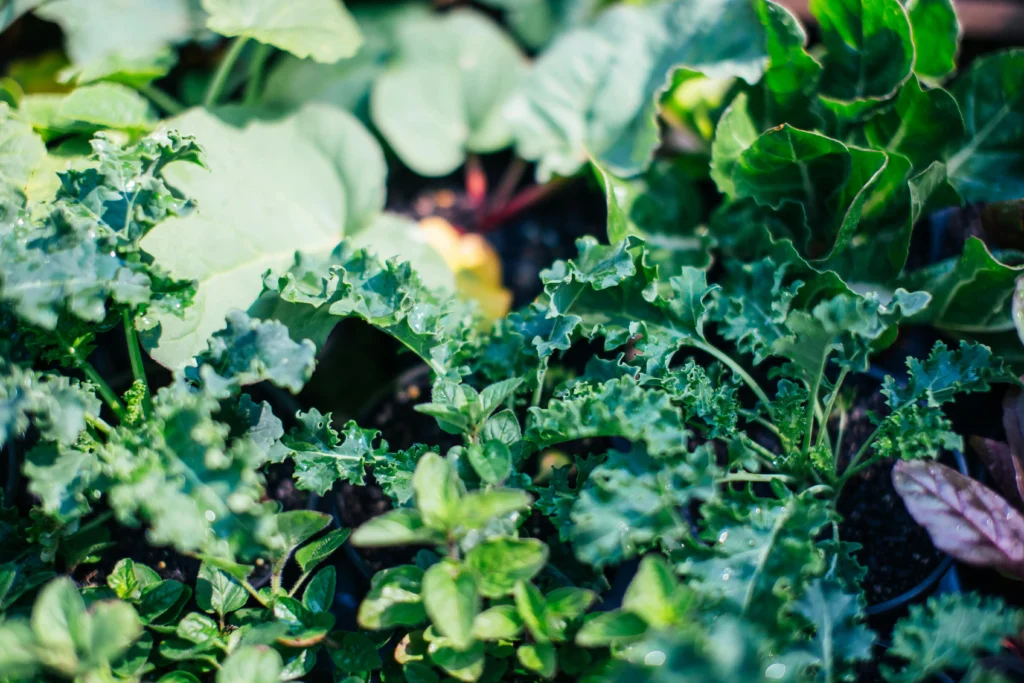
The heart of Dutch cuisine lies in its hearty, no-nonsense dishes. Stamppot is the epitome of this. It’s a simple yet comforting meal consisting of mashed potatoes mixed with one or more vegetables, such as kale (boerenkool), endive (andijvie), or sauerkraut (zuurkool). It’s typically served with a savory sausage, like a rookworst, and a gravy or “well” of melted butter.
Another classic is hutspot, a specific type of stamppot made with mashed potatoes, carrots, and onions. Legend has it that this dish was inspired by a meal left behind by Spanish soldiers during the siege of Leiden in 1574. The combination of sweet carrots and savory onions with potatoes creates a uniquely Dutch flavor profile.
For a taste of the sea, the aforementioned Hollandse nieuwe is a must-try. This raw, brined herring is typically eaten whole, holding it by the tail and letting it slide into your mouth, though it’s also available on a bun with onions and pickles, known as a broodje haring.
Erwtensoep, or thick pea soup, is a rich and warming winter staple. Made from dried split peas, it’s often so thick you can stand a spoon in it. It’s packed with flavor from various cuts of pork, including ham hock and smoked sausage. This soup is a meal in itself, perfect for warding off the cold.
Sweets and Treats
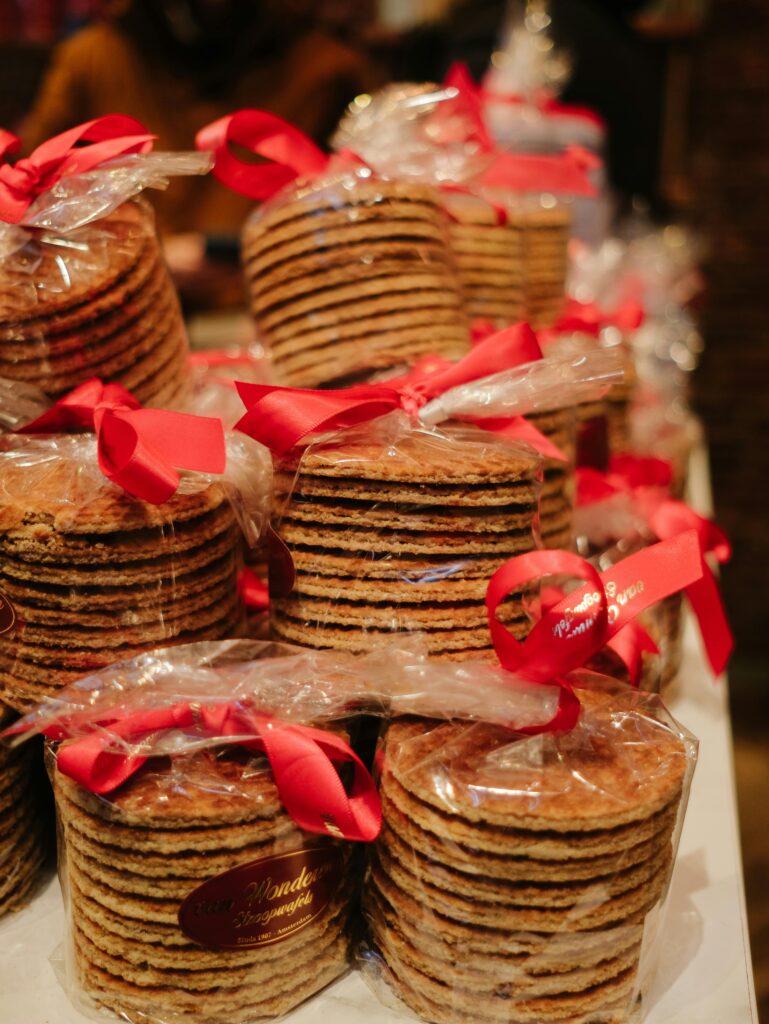
Dutch sweets and baked goods are equally important to the culinary landscape. The stroopwafel, a thin waffle cookie with a layer of caramel syrup in the middle, is perhaps the most famous. It’s traditionally warmed over a cup of hot coffee or tea to soften the caramel, making it a truly delightful treat.
Poffertjes are small, fluffy pancakes, dusted with powdered sugar and often served with a dollop of butter. They are a common sight at fairs and festivals. Oliebollen, a type of deep-fried doughnut ball, are a New Year’s Eve tradition, a nod to a medieval tradition of eating fat-rich foods to ward off evil spirits.
Speculaas, a spiced cookie, is another classic. The name comes from the Latin word speculum meaning “mirror,” as the cookies are traditionally baked in molds depicting scenes or figures. The distinctive flavor comes from a blend of cinnamon, nutmeg, cloves, ginger, and cardamom, a legacy of the spice trade.

Modern Dutch Cuisine
While the traditional dishes remain a source of national pride, modern Dutch cuisine has evolved significantly. The influence of global flavors, particularly from Indonesia, due to the Netherlands’ colonial past, is now deeply ingrained. Dishes like rijsttafel, a “rice table” featuring a wide variety of small Indonesian dishes, are a common part of the culinary scene.
Contemporary Dutch chefs are also embracing a “New Dutch” cuisine, focusing on fresh, locally sourced ingredients and innovative techniques. They are reinventing traditional dishes, lightening them up and adding modern twists, while still honoring the core principles of simplicity and quality. This new wave of cooking combines the best of the old with the new, creating a dynamic and exciting culinary scene that is finally gaining the international recognition it deserves.
In essence, Dutch cuisine is a story of resilience and resourcefulness. It is not about flamboyant flavors or complex preparations, but about honest, nourishing food that reflects the character of a nation shaped by the sea and the land. From a simple bowl of stamppot to a delicate stroopwafel, each dish tells a tale of Dutch history, tradition, and ingenuity.